
The Science of Stress: When Normal Stress Becomes an Anxiety Disorder

Updated: Sep 24

Key Takeaways
Stress is a normal biological response that helps us adapt to challenges, but when it becomes chronic, it can negatively affect both physical and mental health.
Anxiety differs from everyday stress in that it often persists even after a stressor has resolved and can significantly interfere with daily functioning.
Chronic activation of the body's stress response can influence sleep, memory, concentration, emotional regulation, cardiovascular health, and immune function.
Evidence-based treatments, including lifestyle interventions, psychotherapy, and medication when appropriate, can effectively reduce symptoms and improve quality of life.
Understanding how stress affects the brain and body is often the first step toward recognizing when it is time to seek professional help.
Table of Contents
Introduction
What Is Stress?
Understanding the Body's Stress Response
Why Stress Is Actually Good for You
Stress vs. Anxiety: What's the Difference?
How Chronic Stress Changes the Brain
Physical Symptoms of Chronic Stress
Emotional and Cognitive Symptoms
When Stress Becomes an Anxiety Disorder
Burnout Versus Anxiety
Evidence-Based Treatment Options
When Should You Seek Professional Help?
Frequently Asked Questions
Further Reading
A Final Thought
The Selective Psychiatry Knowledge Library is designed as a growing collection of in-depth, evidence-based mental health resources. New content will be added regularly.
Introduction
Stress has become one of the most commonly discussed health concerns in modern society. We describe ourselves as stressed at work, stressed about finances, stressed by parenting, or simply overwhelmed. While the word has become part of everyday conversation, few people understand what stress actually is (or why it sometimes evolves into a clinical anxiety disorder).
Contrary to popular belief, stress is not inherently harmful. In fact, without the ability to experience stress, our species would not have survived. The body's stress response evolved over millions of years as a remarkably efficient survival mechanism, allowing our ancestors to react quickly to danger, escape threats, and adapt to changing environments. Even today, that same biological system helps us perform under pressure, meet important deadlines, excel in athletic competition, and respond effectively during emergencies.

Problems arise not because we experience stress, but because our bodies were never designed to remain in a constant state of high alert. Unlike our ancestors, who experienced brief periods of danger followed by recovery, many people now face persistent psychological stressors that can continue for months or even years. Work demands, financial uncertainty, chronic illness, caregiving responsibilities, relationship difficulties, and the constant connectivity of modern technology can keep the brain's threat detection system activated long after any immediate danger has passed.

Over time, chronic stress begins to affect far more than mood. It can disrupt sleep, impair concentration, increase irritability, contribute to physical symptoms such as headaches or digestive problems, and gradually alter the way the brain processes emotions and perceived threats. For some individuals, these changes eventually cross the threshold from normal stress into a diagnosable anxiety disorder.
Understanding that transition is important because anxiety disorders are among the most common mental health conditions worldwide. Fortunately, they are also among the most treatable. Early recognition and evidence-based treatment can significantly improve functioning, relationships, physical health, and overall quality of life.

This guide explores the science behind stress and anxiety, explains how they differ, and reviews the evidence-based strategies that help people regain balance when stress begins to overwhelm the body's natural coping mechanisms.
What Is Stress?
Stress is often described as something to avoid, yet from a biological perspective, it is one of the most sophisticated survival mechanisms ever developed. Without the ability to experience stress, humans would struggle to respond to danger, adapt to change, or perform at their highest level.
At its core, stress is the body's coordinated response to a perceived challenge or threat. That challenge may be physical (such as narrowly avoiding a car accident) or psychological, such as preparing for a major presentation, interviewing for a new job, or caring for a loved one with a serious illness. Although these situations differ dramatically, the brain initially processes many of them through the same neural circuitry.
Importantly, the body does not always distinguish between an immediate physical threat and a psychologically meaningful one. A difficult conversation with a supervisor, an unexpected financial expense, or uncertainty about one's health can activate many of the same biological pathways that once helped our ancestors survive encounters with predators. This response is both automatic and extraordinarily fast. Within seconds, the brain begins preparing virtually every organ system to respond.
Understanding the Body's Stress Response
Your Brain's Built-In Alarm System
The stress response begins deep within the brain. Sensory information from the eyes, ears, and other organs is continuously evaluated by a network of structures responsible for determining whether something appears safe or potentially dangerous. One of the most important of these structures is the amygdala, an almond-shaped collection of neurons that plays a central role in detecting emotionally significant events, particularly those involving fear or threat.

When the amygdala interprets a situation as potentially dangerous, it rapidly signals another brain region called the hypothalamus. Think of the hypothalamus as the body's command center. It coordinates communication between the nervous system and the endocrine (hormonal) system, initiating the cascade commonly known as the fight-or-flight response. This process occurs largely outside of conscious awareness. In many situations, your body has already begun preparing for action before you have fully recognized why you feel uneasy.
This rapid response was highly adaptive throughout human evolution. Reacting first and analyzing later often increased the chances of survival. While this system remains remarkably effective today, it can also become overactive when the brain repeatedly interprets everyday challenges as ongoing threats.
The Sympathetic Nervous System: Preparing for Action
Once activated, the hypothalamus stimulates the sympathetic nervous system, one branch of the autonomic nervous system responsible for mobilizing the body during periods of stress. Within moments, the adrenal glands release epinephrine (adrenaline) and norepinephrine, hormones that produce many of the familiar sensations associated with acute stress.
You may notice:
A racing heart
Faster breathing
Dilated pupils
Increased muscle tension
Sweaty palms
Dry mouth
Heightened alertness
A surge of energy
These physiological changes are not signs that something is wrong. They represent a highly coordinated effort to improve the body's ability to respond effectively.
Heart rate increases to deliver oxygen-rich blood to muscles. Breathing becomes faster to maximize oxygen intake. Blood flow is redirected away from the digestive system toward the brain and large muscle groups. Pain perception may temporarily decrease. Reaction time improves. Attention narrows toward whatever the brain considers most important. For a short period of time, these adaptations can significantly enhance performance.

Cortisol: The Body's Long-Term Stress Hormone
While adrenaline acts within seconds, another hormone begins working over the next several minutes. Cortisol, often referred to as the body's primary stress hormone, is released through a communication pathway known as the hypothalamic-pituitary-adrenal (HPA) axis. Unlike adrenaline, which produces immediate changes, cortisol helps sustain the body's response during prolonged challenges.
Its effects include:
Maintaining blood glucose to supply energy
Increasing cardiovascular efficiency
Supporting memory formation during stressful events
Modulating immune system activity
Helping regulate inflammation
Influencing metabolism
Despite its negative reputation, cortisol is essential for life. Healthy cortisol secretion follows a predictable daily rhythm, typically peaking shortly after waking to promote alertness and gradually declining throughout the day to prepare the body for sleep.
Problems arise when stress becomes chronic and cortisol levels remain elevated—or, in some individuals, become dysregulated altogether. Over time, persistent activation of this system can contribute to sleep disruption, fatigue, impaired concentration, elevated blood pressure, metabolic changes, mood disturbances, and increased vulnerability to anxiety and depression.
Stress Is More Than a Feeling
Many people think of stress as purely emotional, but it affects nearly every major organ system. During periods of acute stress, temporary changes occur throughout the body:
Body System | Acute Stress Response |
Brain | Increased alertness and faster threat detection |
Heart | Faster heart rate and stronger contractions |
Lungs | Rapid breathing and increased oxygen intake |
Muscles | Increased tension and readiness for movement |
Liver | Releases stored glucose for immediate energy |
Digestive system | Slows digestion to conserve resources |
Immune system | Temporarily redistributed to support immediate survival |
Skin | Increased sweating to help regulate body temperature |
When these changes are brief, they are remarkably adaptive. However, if this physiological state persists for weeks or months, the same systems that once protected us may begin contributing to illness.
Why Modern Life Confuses an Ancient System
One of the most fascinating aspects of stress biology is that the human nervous system evolved in a world very different from the one we inhabit today. For most of human history, stressors were typically immediate and short-lived. A dangerous animal, a violent storm, or conflict with another group demanded a rapid response. But once the danger had passed, the body generally returned to baseline. Modern stressors are different. Many involve uncertainty rather than immediate physical danger.
Examples include:
Constant work demands
Financial pressures
Email and smartphone notifications
Caregiving responsibilities
Social media
Relationship conflict
Chronic medical illness
Long commutes
Sleep deprivation
Economic uncertainty

These modern stressors often cannot be resolved in a matter of minutes or hours. Instead, they may persist for months or years.
The challenge is that the brain frequently responds to these modern psychological threats using biological systems that evolved to manage short bursts of physical danger. As a result, many people remain in a state of low-grade physiological activation for prolonged periods, even while sitting at a desk, driving a car, or attempting to fall asleep.
This mismatch between our ancient biology and modern environment is one reason chronic stress has become such an important public health concern.
Stress Is Not the Enemy
Understanding the biology of stress leads to an important conclusion: stress itself is not inherently harmful. In fact, appropriate stress allows us to learn new skills, adapt to adversity, perform under pressure, and grow through challenging experiences.
The goal is not to eliminate stress entirely (an impossible and undesirable objective) but to develop the capacity to recover from stress efficiently. Health depends not only on how strongly we respond to challenges, but also on how effectively our nervous system returns to equilibrium once those challenges have passed.
This ability to shift flexibly between activation and recovery is one of the defining characteristics of psychological resilience. Unfortunately, when recovery becomes inadequate and the stress response remains chronically activated, the balance begins to shift. What was once an adaptive survival mechanism can gradually become a source of emotional distress, physical symptoms, and impaired functioning.
Why Stress Is Actually Good for You
If stress is capable of contributing to anxiety, insomnia, high blood pressure, and countless other health concerns, why would evolution preserve such a system?
The answer is surprisingly simple: because stress itself is not the problem. In the right amount, stress is one of the primary drivers of learning, adaptation, and human performance.

Virtually every meaningful accomplishment in life requires some degree of stress. Learning a new language, training for a marathon, interviewing for a new job, raising children, leading an organization, recovering from an illness, or pursuing higher education all challenge us to move beyond our current abilities. Without some level of physiological and psychological activation, motivation declines, attention wanders, and performance often suffers.
Rather than asking how to eliminate stress, a more useful question is: "How much stress is enough to promote growth without becoming harmful?" Psychologists and neuroscientists have studied this question for more than a century, and the answer has profound implications for both mental health and performance.
The Yerkes-Dodson Law: Finding the Sweet Spot
In 1908, psychologists Robert Yerkes and John Dodson described a relationship between stress and performance that has been replicated across countless settings. Their work demonstrated that performance does not improve simply by reducing stress to zero. Instead, it follows what is often illustrated as an inverted U-shaped curve. When stress levels are too low, people may feel bored, disengaged, or unmotivated. Attention drifts, productivity declines, and learning becomes less efficient.
As stress increases to a moderate level, alertness improves. Motivation increases, concentration sharpens, and many people perform at their best. Athletes often describe this as being "locked in." Musicians refer to being "in the zone." Professionals may experience heightened focus before an important presentation or difficult negotiation.
However, once stress exceeds the brain's ability to cope, performance begins to deteriorate. Concentration becomes fragmented. Decision-making suffers. Memory retrieval becomes less reliable. Small mistakes become more common, and emotional reactivity increases.
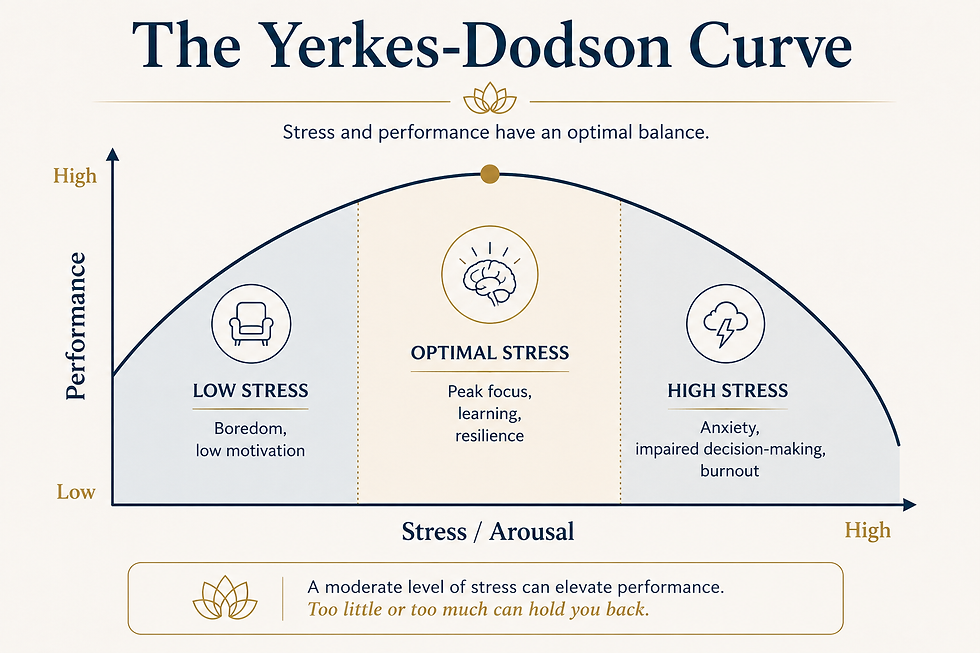
This concept explains why many successful individuals intentionally seek challenges while also recognizing the importance of recovery. Growth occurs when we are stretched, but not overwhelmed.
Stress Builds Resilience
Just as muscles become stronger after appropriately challenging exercise, the brain and nervous system become more adaptable when exposed to manageable stress followed by adequate recovery. Psychologists refer to this process as resilience, the ability to adapt successfully to adversity and recover after setbacks. Importantly, resilience is not a personality trait that some people possess and others lack. Instead, it develops through repeated experiences of overcoming manageable challenges.
Children who gradually learn to solve age-appropriate problems often become more confident adults.
Athletes improve through progressively demanding training.
Professionals develop expertise by taking on increasingly complex responsibilities.
Even emotional resilience grows when individuals successfully navigate difficult life experiences while receiving appropriate support.
Avoiding every stressful situation may feel protective in the short term, but over time it can reduce confidence and reinforce anxiety. This principle helps explain why evidence-based psychotherapies such as cognitive behavioral therapy (CBT) and exposure therapy often encourage gradual, supported engagement with feared situations rather than lifelong avoidance.
The Concept of Hormesis
Another fascinating principle from biology helps explain why moderate stress can actually improve health. Researchers use the term hormesis to describe the phenomenon in which small, manageable doses of stress stimulate beneficial adaptations, while excessive stress becomes harmful. Examples are everywhere in medicine and physiology.
Exercise temporarily stresses muscles, cardiovascular tissues, and metabolism. During recovery, the body rebuilds stronger than before.
Strength training creates microscopic muscle damage that ultimately leads to increased muscle size and strength.
Vaccinations expose the immune system to carefully controlled antigens, allowing it to develop protection against future infections.
Even learning itself requires the brain to work through temporary discomfort as it forms new neural connections.
In each of these examples, stress is not the enemy. It is the stimulus for adaptation.
Psychological growth follows a remarkably similar pattern. Facing manageable uncertainty, solving difficult problems, and recovering from setbacks all strengthen emotional flexibility over time. The key distinction is dose. Beneficial stress is temporary, proportionate, and followed by recovery. Harmful stress is excessive, prolonged, or inescapable.
Recovery Is Where Growth Happens
One of the most overlooked aspects of stress physiology is that adaptation does not occur during stress itself. It occurs during recovery. Consider physical exercise. During an intense workout, muscles experience microscopic damage and energy stores become depleted. The improvements in strength and endurance occur later, during sleep, nutrition, and rest, when the body repairs and rebuilds. The nervous system functions much the same way. Periods of focused work, difficult conversations, or emotionally demanding experiences are normal. Problems arise when the brain is never given sufficient opportunity to return to baseline.
Recovery is supported by activities that activate the parasympathetic nervous system, often referred to as the body's "rest and digest" system. This branch of the autonomic nervous system slows the heart rate, reduces blood pressure, promotes digestion, and facilitates restoration.

Recovery is not a luxury or a sign of weakness. It is a biological requirement for sustained health and high performance.
Why High Performers Are Especially Vulnerable
Many of the qualities that contribute to professional success can also increase susceptibility to chronic stress. Individuals who are conscientious, achievement-oriented, highly responsible, or deeply committed to their work often tolerate elevated stress for long periods before recognizing its cumulative effects. They may view persistent fatigue as dedication. Difficulty sleeping becomes "part of the job."
Constant mental preoccupation is interpreted as ambition.
Over time, these patterns may become normalized until symptoms begin affecting physical health, relationships, decision-making, or emotional well-being. Ironically, many high performers continue functioning at an impressive level even while experiencing clinically significant anxiety. This can delay recognition of a problem because outward success masks internal distress. One of the goals of psychiatric care is not simply to reduce symptoms, but to help individuals sustain high performance without sacrificing their long-term health.
Stress Is Not a Competition
People sometimes minimize their own stress because they believe others "have it worse."
Stress, however, is not measured by comparing life circumstances. It is measured by how the brain and body respond to perceived demands. Two people can experience the same event very differently based on genetics, previous experiences, available support, personality traits, physical health, sleep quality, and countless other factors.
Recognizing that your stress response deserves attention is not an indication of weakness. It is an acknowledgment that your nervous system is responding to circumstances in a way that may benefit from additional support.
The Goal Isn't a Stress-Free Life
Modern culture often promotes the unrealistic expectation that happiness comes from eliminating stress entirely. Biology tells a different story. A fulfilling life almost inevitably includes challenge, responsibility, uncertainty, and occasional adversity. These experiences help us develop competence, confidence, and resilience.

The objective, therefore, is not to remove stress from life but to develop a nervous system that can respond effectively to challenges and recover efficiently afterward.
When recovery consistently keeps pace with demand, stress remains adaptive.
When demand chronically exceeds recovery, the balance begins to shift. And the very system designed to protect us can become a source of persistent anxiety. Understanding where that transition occurs is essential because stress and anxiety, while closely related, are not the same condition.

Stress vs. Anxiety: Understanding the Difference
The words stress and anxiety are often used interchangeably in everyday conversation. While they share many similarities and frequently occur together, they are not the same thing. Understanding the distinction is important because it helps determine whether what you are experiencing is a normal response to life's challenges or a condition that may benefit from professional evaluation and treatment. In simple terms, stress is typically a response to an identifiable challenge, while anxiety is characterized by persistent fear, worry, or apprehension that may continue even after the original stressor has resolved.
Imagine preparing for an important job interview. Feeling nervous beforehand, rehearsing your answers, and experiencing a faster heart rate on the day of the interview are all normal stress responses. Once the interview is over, those feelings usually begin to fade. Now imagine that several weeks later, despite receiving positive feedback and having no immediate concerns, you continue to experience excessive worry, difficulty sleeping, muscle tension, racing thoughts, and a constant sense that something bad is about to happen. At that point, the body's alarm system may no longer be responding proportionately to the situation. Instead, it may have become persistently activated.
This distinction lies at the heart of many anxiety disorders.
Stress Versus Anxiety at a Glance
Stress | Anxiety |
Usually has an identifiable trigger | May occur with or without a clear trigger |
Often resolves when the situation improves | May persist for weeks, months, or longer |
Can improve motivation and performance | Often interferes with daily functioning |
Usually proportional to the challenge | May feel excessive relative to the situation |
Primarily responds to external demands | Frequently continues because of internal thought patterns and heightened threat perception |
Although these differences are helpful, there is considerable overlap. Chronic stress is one of the most common contributors to the development or worsening of anxiety disorders. Likewise, living with an untreated anxiety disorder often creates additional stress in relationships, work, finances, and physical health. The relationship is circular. Stress can fuel anxiety, and anxiety can create even more stress.

Anxiety Is More Than Worry
Everyone worries from time to time. Worry, by itself, is not a psychiatric illness.
Clinical anxiety is different because it affects multiple aspects of a person's life simultaneously. It involves changes in thoughts, emotions, physical sensations, and behavior. For example, someone experiencing significant anxiety may notice:
Thoughts
Persistent "what if" thinking
Difficulty tolerating uncertainty
Catastrophic predictions
Excessive self-criticism
Constant mental rehearsal of future events
Emotions
Apprehension
Irritability
Feeling overwhelmed
Restlessness
Difficulty relaxing
Physical Symptoms
Rapid heartbeat
Muscle tension
Upset stomach
Sweating
Trembling
Dizziness
Shortness of breath
Difficulty sleeping
Behaviors
Avoiding certain situations
Seeking frequent reassurance
Procrastination
Difficulty making decisions
Constant checking or overpreparing
Many people assume anxiety exists only in the mind. In reality, it affects the entire body because the brain and nervous system are functioning as an integrated unit.

Why Anxiety Persists
One of the defining characteristics of anxiety disorders is that the brain begins to overestimate danger while underestimating the ability to cope. From an evolutionary standpoint, this bias makes sense. Missing a genuine threat could have been life-threatening for our ancestors, while mistakenly assuming danger was present carried relatively little cost.
Today, however, that same protective mechanism can become overly sensitive. The amygdala becomes increasingly responsive to perceived threats. The prefrontal cortex, which helps evaluate situations logically, may become less effective at calming the alarm response during periods of prolonged stress. As a result, the brain begins reacting not only to actual danger but also to uncertainty, possibility, and anticipation.

A person may intellectually recognize that a presentation is unlikely to end in disaster, yet their body responds as though survival is at stake. This mismatch between rational thinking and physiological activation is one reason anxiety can feel so frustrating. People often tell themselves to "just relax," only to discover that their nervous system has already shifted into a heightened state of vigilance.
The Role of Avoidance
Avoidance is one of the most important concepts in understanding anxiety disorders.
When something causes anxiety, avoiding it often produces immediate relief. If public speaking feels frightening, canceling the presentation may reduce anxiety within minutes. If driving on the freeway feels overwhelming, choosing side streets may feel safer. If social situations are uncomfortable, declining invitations can temporarily reduce distress. The problem is that avoidance teaches the brain that the feared situation truly was dangerous. Each time avoidance is repeated, the anxiety often becomes stronger and spreads to additional situations.
This process explains why many anxiety disorders gradually become more restrictive over time. Evidence-based therapies, particularly cognitive behavioral therapy and exposure-based treatments, work in part by helping individuals safely reverse this learning process. Through gradual, structured experiences, the brain begins updating its expectations and learns that many previously feared situations are manageable.
When Does Anxiety Become a Disorder?
Psychiatrists and other mental health professionals do not diagnose anxiety disorders simply because someone feels anxious. Instead, clinicians consider several important questions:
Are the symptoms excessive relative to the situation?
Have they persisted over time?
Are they causing significant distress?
Are they interfering with work, school, relationships, or daily functioning?
Could another medical condition, medication, or substance explain the symptoms?
A comprehensive psychiatric evaluation also considers sleep patterns, medical history, medications, substance use, family history, recent life events, and other psychiatric conditions that may contribute to anxiety. This careful assessment is important because many medical conditions, including thyroid disorders, cardiac arrhythmias, certain respiratory conditions, and medication side effects, can produce symptoms that resemble anxiety.
Common Anxiety Disorders
Although this guide focuses on stress and anxiety broadly, anxiety disorders encompass several distinct conditions. These include:
Generalized Anxiety Disorder (GAD)
Panic Disorder
Social Anxiety Disorder
Specific Phobias
Obsessive-Compulsive Disorder (OCD)
Post-Traumatic Stress Disorder (PTSD)
Each condition has unique features, diagnostic criteria, and evidence-based treatment approaches. As the Selective Psychiatry knowledge library continues to expand, each of these topics will have its own comprehensive guide exploring symptoms, diagnosis, and treatment in greater depth.
The Good News
Anxiety disorders are among the most common psychiatric conditions, but they are also among the most treatable. Most people experience meaningful improvement through a personalized treatment plan that may include psychotherapy, lifestyle modifications, stress management techniques, and, when appropriate, medication management.

Perhaps most importantly, experiencing anxiety does not mean you are weak, incapable, or "broken." It means your brain's protective systems have become more sensitive than necessary. With appropriate treatment, those systems can often be recalibrated, allowing you to regain confidence, improve daily functioning, and enjoy a greater sense of calm.
6. How Chronic Stress Changes the Brain
One of the most remarkable discoveries in modern neuroscience is that the brain is not a fixed organ. Throughout life, it continuously changes in response to experience, learning, relationships, sleep, physical activity, illness, and stress. Scientists refer to this ability as neuroplasticity. Neuroplasticity is one of the reasons recovery from anxiety is possible. Just as the brain can adapt to chronic stress, it can also adapt in the opposite direction when stress is reduced and healthier patterns are established.
Unfortunately, the same adaptability that allows us to learn new skills also means that prolonged stress can reshape the way the brain processes information. Rather than causing permanent damage in most people, chronic stress often changes how different brain regions communicate with one another. Many of these changes are reversible with appropriate treatment and sustained recovery. Understanding these changes helps explain why anxiety affects far more than emotions. It also influences attention, memory, decision-making, sleep, and physical health.
The Brain's Three Major Players
Although dozens of brain regions contribute to emotional regulation, three structures are especially important when discussing stress and anxiety.
The Amygdala: The Brain's Threat Detector
The amygdala functions as an early warning system. Its primary responsibility is to rapidly detect potential threats and initiate an appropriate survival response. This process occurs extremely quickly, often before we are consciously aware of what is happening. Under normal circumstances, this system is remarkably effective. You hear tires screech behind you and instinctively step onto the sidewalk. You smell smoke and immediately begin looking for its source. You notice someone driving erratically and increase your following distance. In each situation, the amygdala is doing exactly what it was designed to do.
During periods of prolonged stress, however, the amygdala may become increasingly sensitive. Instead of responding only to genuine danger, it begins reacting to situations that carry little or no actual threat. A routine email from your supervisor may produce a surge of anxiety. An unfamiliar phone number may trigger worry before you answer.
Minor physical sensations may be interpreted as evidence that something is seriously wrong.
Researchers have found that chronic stress can increase activity within the amygdala, making the brain more likely to interpret ambiguous situations as threatening.
From an evolutionary perspective, this "better safe than sorry" strategy once improved survival. In modern life, however, it often contributes to persistent anxiety.

The Prefrontal Cortex: The Executive Control Center
Located behind the forehead, the prefrontal cortex is responsible for many of the abilities we associate with higher-level thinking. These include:
Planning
Organization
Decision-making
Impulse control
Attention
Problem solving
Emotional regulation
Considering long-term consequences
You can think of the prefrontal cortex as the brain's chief executive officer. Its job is not to eliminate emotions but to place them into context. For example, your amygdala may initially interpret a crowded elevator as uncomfortable or threatening. Your prefrontal cortex evaluates the evidence and concludes: "I've ridden elevators hundreds of times. This is safe. I'll be okay."
When chronic stress persists, communication between these regions becomes less efficient. The amygdala becomes louder. The prefrontal cortex becomes quieter.
As a result, emotional reactions begin to dominate logical analysis. This helps explain why people experiencing significant anxiety often say: "I know this doesn't make sense, but I can't stop worrying." Their logical brain has not disappeared. It is simply having greater difficulty regulating an increasingly sensitive alarm system.
The Hippocampus: Memory and Context
The hippocampus plays a central role in learning and memory. It helps organize experiences into coherent memories while also providing context to emotional events. For example, it allows you to remember that a frightening event occurred years ago rather than convincing you it is happening again today. Chronic stress can interfere with normal hippocampal functioning. This may contribute to:
Forgetfulness
Difficulty learning new information
Problems recalling names or details
Feeling mentally "foggy"
Trouble concentrating during conversations
Reduced ability to place stressful experiences into perspective
Many people become alarmed when they notice these symptoms, worrying they are developing dementia or another neurological illness. In reality, concentration and memory difficulties are extremely common during periods of significant stress and anxiety. Fortunately, these cognitive symptoms often improve as the underlying anxiety is successfully treated.
The Brain Begins Prioritizing Survival
When stress becomes chronic, the brain gradually shifts its priorities. Instead of focusing primarily on learning, creativity, exploration, and long-term planning, it allocates more resources toward detecting potential threats. This shift is adaptive during genuine emergencies. It becomes problematic when the emergency never seems to end.
Imagine trying to complete a complex financial analysis while someone repeatedly pulls a fire alarm every few minutes. Even if no actual fire exists, your attention would constantly be redirected toward potential danger. Something similar occurs within the anxious brain. Mental energy becomes increasingly devoted to monitoring uncertainty instead of engaging fully with work, relationships, or enjoyable activities. This helps explain why people experiencing anxiety often report:
Difficulty concentrating while reading
Reduced productivity
Constant mental distractions
Feeling overwhelmed by simple decisions
Forgetting routine tasks
Losing confidence in their own judgment
These experiences are not signs of laziness or intellectual decline. They are predictable consequences of a brain attempting to prioritize survival.

The Cost of Living in Survival Mode
The stress response was designed to be temporary. When activation becomes prolonged, however, maintaining this heightened physiological state requires tremendous energy. Over time, many people experience symptoms such as:
Persistent fatigue
Emotional exhaustion
Irritability
Reduced motivation
Sleep disruption
Increased sensitivity to additional stressors
This state is sometimes described as allostatic load, a term used to describe the cumulative wear and tear on the body that results from repeated or prolonged activation of the stress response. Rather than a single event causing illness, allostatic load reflects the gradual accumulation of stress over months or years.
It represents the biological cost of adapting to chronic adversity.
Why Small Problems Begin to Feel Bigger
Many people notice that when they are under significant stress, relatively minor inconveniences suddenly feel overwhelming.
A delayed email response.
A misplaced set of keys.
Heavy traffic.
A minor disagreement with a spouse.
Ordinarily, these events might be irritating but manageable. During chronic stress, however, the nervous system is already operating near its limit. Even small additional demands may trigger disproportionately large emotional reactions. This is not because a person's character has changed. It is because their available cognitive and emotional reserves have been depleted.

Hope Through Neuroplasticity
The encouraging news is that neuroplasticity works both ways. The same brain that became more efficient at detecting danger can also become more efficient at recognizing safety. Research consistently demonstrates that evidence-based treatments can produce measurable changes in brain function. These include:
Cognitive behavioral therapy
Mindfulness-based interventions
Regular aerobic exercise
Adequate sleep
Stress reduction practices
Treatment of underlying psychiatric conditions
Medication when clinically indicated
As anxiety improves, communication between the amygdala and prefrontal cortex often becomes more balanced. Threat detection becomes more proportionate. Attention improves. Memory becomes more reliable. Decision-making becomes easier. Many people describe this experience as finally feeling like themselves again.
Recovery Is Not About Eliminating Emotion
An important misconception deserves clarification. Successful treatment does not eliminate fear or stress. Nor should it. Fear remains one of the brain's most valuable survival mechanisms. The goal is something far more sophisticated. Healthy emotional regulation allows the brain to respond appropriately to genuine danger while remaining calm during ordinary challenges. Instead of reacting automatically to every uncertainty, the nervous system becomes more flexible.
People often describe recovery as experiencing greater emotional freedom. They continue to encounter stressful situations, but those situations no longer control every thought, emotion, or decision. This flexibility represents one of the central goals of modern psychiatric treatment.
Physical Symptoms of Chronic Stress
When most people think about stress, they picture emotional symptoms such as worry, irritability, or feeling overwhelmed. In reality, chronic stress affects nearly every organ system in the body. Because the brain and body communicate continuously through the nervous system, endocrine system, and immune system, prolonged activation of the stress response can produce a surprisingly wide range of physical symptoms.
For some individuals, these physical symptoms become the most distressing aspect of chronic stress. They may schedule appointments with their primary care provider, visit an urgent care clinic, or even seek emergency medical attention because they fear something is seriously wrong. Although these concerns should always be taken seriously, extensive medical evaluations often reveal no underlying structural disease.
This does not mean the symptoms are "all in your head." The symptoms are real. They simply arise from changes in how the nervous system is functioning rather than from damage to a particular organ. Understanding this distinction is important because it helps explain why stress can affect so many seemingly unrelated parts of the body at the same time.
The Cardiovascular System
During periods of stress, the sympathetic nervous system prepares the body for action by increasing heart rate and blood pressure. When this activation becomes chronic, people may notice:
Heart palpitations
A racing heartbeat
Chest tightness
Elevated blood pressure
A sensation of pounding in the chest or neck
These sensations can be frightening, particularly if they occur unexpectedly. Panic attacks, for example, often produce symptoms that closely resemble a heart attack.
At the same time, it is essential not to assume that every episode of chest pain or palpitations is caused by anxiety. New, severe, or persistent cardiovascular symptoms should always be evaluated promptly by a qualified medical professional.
Breathing and Respiratory Symptoms
Stress frequently changes the way we breathe. Many people begin taking faster, shallower breaths without realizing it. Others unintentionally hyperventilate, especially during periods of significant anxiety. These changes can contribute to symptoms such as:
Shortness of breath
A feeling of not getting enough air
Frequent sighing
Chest discomfort
Lightheadedness
Tingling in the hands or around the mouth
Ironically, the sensation of breathlessness often causes people to become even more anxious, creating a self-perpetuating cycle in which anxiety alters breathing, and altered breathing increases anxiety.

Digestive Symptoms
The digestive system is particularly sensitive to stress because of the close communication between the brain and the gastrointestinal tract. This connection is often referred to as the gut-brain axis. During periods of chronic stress, people may experience:
Nausea
Upset stomach
Abdominal pain
Diarrhea
Constipation
Bloating
Reduced appetite
Increased appetite
Heartburn
Worsening symptoms of irritable bowel syndrome (IBS)
Many people notice that digestive symptoms worsen before important events such as public speaking, examinations, or major life changes. This illustrates just how closely emotional and physical health are connected.
Muscle Tension and Pain
Muscles naturally tighten during periods of stress as part of the body's protective response. When stress persists for weeks or months, constant muscle tension may contribute to:
Neck pain
Shoulder tightness
Jaw clenching
Teeth grinding
Back pain
Tension headaches
Facial pain
Some individuals are unaware that they are clenching their jaw throughout the day until they develop chronic headaches or their dentist notices excessive tooth wear.
Sleep Disturbance
Sleep and stress influence one another in both directions. Stress makes it more difficult to sleep, and inadequate sleep increases the brain's sensitivity to stress. Common sleep-related symptoms include:
Difficulty falling asleep
Frequent nighttime awakenings
Early morning awakening
Restless sleep
Vivid dreams
Feeling unrefreshed despite adequate time in bed
Poor sleep reduces the brain's ability to regulate emotions effectively, making it even harder to recover from daily stressors.
Cognitive Symptoms
Many people become concerned when chronic stress begins affecting their thinking.
They may notice:
Difficulty concentrating
Forgetfulness
Mental fatigue
Slower processing speed
Trouble finding words
Feeling mentally "foggy"
These experiences can be alarming, especially for professionals whose work depends on sustained attention and sound judgment. Fortunately, cognitive symptoms related to stress often improve as the underlying stress response becomes better regulated.
Changes in the Immune System
The relationship between stress and the immune system is complex. Short-term stress may briefly enhance certain immune functions, while prolonged stress tends to impair the body's ability to regulate inflammation and respond efficiently to illness. Research has linked chronic stress with:
Increased susceptibility to common infections
Slower wound healing
Exacerbation of some autoimmune conditions
Increased systemic inflammation
Although stress is rarely the sole cause of illness, it can influence how the body responds to existing medical conditions.
When Symptoms Become a Cycle
One of the most challenging aspects of chronic stress is that physical symptoms often create additional anxiety. For example, a person notices a racing heart. They begin wondering whether something is wrong. Their anxiety increases. Their heart rate increases further. The worsening symptoms reinforce the belief that something dangerous is happening. This cycle can continue until the brain begins associating harmless bodily sensations with danger. Breaking this cycle is an important goal of evidence-based anxiety treatment.
Listening to Your Body Without Assuming the Worst
Our bodies provide valuable information, but they are not always accurate interpreters of danger. Learning to notice physical sensations without immediately assuming a catastrophic explanation is an important skill that many people develop through psychotherapy, mindfulness practices, and other evidence-based interventions.
At the same time, persistent or unexplained physical symptoms should never be dismissed simply because stress is present. A thorough medical evaluation is often an important part of determining whether symptoms are related to anxiety, an underlying medical condition, or a combination of both.
Understanding the connection between the brain and body empowers people to respond thoughtfully rather than fearfully. Instead of viewing every symptom as evidence that something is seriously wrong, they can begin recognizing how chronic stress influences physical health while remaining attentive to signs that warrant medical evaluation.

Emotional and Cognitive Symptoms of Chronic Stress
The effects of chronic stress extend far beyond the body's physical responses. Over time, persistent activation of the stress response begins to influence how we think, process information, regulate emotions, and interact with the people around us.
These changes often develop gradually. Many people do not recognize them until family members, friends, or coworkers point out that they seem different than they used to be.
Someone who was once patient and optimistic may become increasingly irritable. A confident professional may begin second-guessing every decision. A person who once enjoyed spending time with friends may withdraw because social interactions simply feel exhausting. These changes are not character flaws. They are common consequences of a brain and nervous system that have remained in a heightened state of alert for an extended period.
Emotional Symptoms
One of the earliest signs of chronic stress is often a change in emotional regulation. Under normal circumstances, emotions fluctuate throughout the day in response to life's events. We may feel disappointed after receiving difficult news, excited about an upcoming vacation, or frustrated during a challenging conversation. These emotional responses are usually appropriate for the situation and gradually resolve.
Chronic stress changes this balance. Because the brain remains more sensitive to perceived threats, emotional reactions often become stronger, last longer, and require more effort to regulate. Common emotional symptoms include:
Persistent worry
Feeling overwhelmed by routine responsibilities
Irritability or a "shorter fuse"
Restlessness
Difficulty relaxing
Feeling emotionally drained
Increased frustration with minor inconveniences
A sense of being constantly "on edge"
Reduced enjoyment of activities that were once pleasurable
Many people describe feeling as though they can never fully "turn off" their minds. Even during quiet moments, they remain mentally engaged with work, responsibilities, or future uncertainties.

Why Irritability Often Replaces Anxiety
When people think of anxiety, they often imagine someone who appears visibly nervous or fearful. In reality, chronic anxiety frequently presents as irritability. This is especially true among high-performing professionals who continue meeting responsibilities despite significant internal stress. When the nervous system remains chronically activated, it has less reserve for handling additional demands. Small inconveniences that would normally be dismissed can suddenly feel disproportionately frustrating.
Examples include:
Waiting in traffic
Slow internet connections
Minor scheduling changes
Household clutter
Interruptions while working
Repetitive questions
The issue is rarely the inconvenience itself. Rather, chronic stress has reduced the brain's capacity to absorb additional challenges without reacting emotionally.
Cognitive Symptoms
Stress also affects the way we think. As discussed earlier, prolonged activation of the stress response changes communication between the amygdala, prefrontal cortex, and hippocampus. These changes can interfere with many of the cognitive abilities that people depend upon every day. Common cognitive symptoms include:
Difficulty concentrating
Reduced attention span
Forgetfulness
Mental fatigue
Slower decision-making
Difficulty organizing complex tasks
Trouble prioritizing responsibilities
Reduced creativity
Feeling mentally "stuck"
Many people refer to these experiences collectively as brain fog. Although brain fog is not a medical diagnosis, it accurately describes the subjective feeling that one's thinking has become slower, less organized, or less efficient.
Why Decision-Making Becomes More Difficult
Decision-making requires the brain to evaluate information, weigh competing priorities, estimate future outcomes, and tolerate uncertainty. Chronic stress makes each of these processes more difficult. As threat detection becomes increasingly active, the brain begins placing greater emphasis on avoiding mistakes than on pursuing opportunities.
This often leads to:
Overanalyzing simple decisions
Repeatedly seeking reassurance
Difficulty committing to a course of action
Fear of making the "wrong" choice
Endless comparison of alternatives
Some people describe this as analysis paralysis. Instead of improving decisions, excessive analysis often increases anxiety while delaying action.
The Trap of Overthinking
Overthinking is one of the most common cognitive consequences of chronic stress.
Healthy problem-solving has a purpose. It identifies a problem, considers possible solutions, and arrives at a decision. Overthinking follows a different pattern. Instead of producing clarity, it repeatedly circles the same concerns without reaching resolution.
Common examples include:
Replaying conversations long after they have ended
Imagining worst-case scenarios
Constantly questioning past decisions
Mentally rehearsing future interactions
Attempting to prepare for every possible outcome
People often believe that if they think about a problem long enough, they will eventually feel certain. Unfortunately, uncertainty is a normal part of life. The pursuit of absolute certainty often fuels anxiety rather than relieving it.

Perfectionism and the Illusion of Control
Chronic stress can also strengthen perfectionistic thinking. Perfectionism is frequently misunderstood as simply having high standards. Healthy striving encourages growth while accepting that mistakes are inevitable. Perfectionism, by contrast, often reflects an attempt to reduce uncertainty through flawless performance. People may believe:
"If I never make a mistake, nothing bad will happen."
"If I prepare enough, I can eliminate every risk."
"If I work harder than everyone else, I won't disappoint anyone."
Although these beliefs may temporarily reduce anxiety, they often create unrealistic expectations that are impossible to sustain. Over time, perfectionism contributes to exhaustion, procrastination, self-criticism, and burnout.
Social and Relationship Changes
Stress also changes the way people relate to others. Someone experiencing chronic stress may begin:
Withdrawing from social activities
Becoming less patient with loved ones
Avoiding difficult conversations
Feeling emotionally unavailable
Losing interest in hobbies
Spending less time with friends
These changes are often interpreted as personality changes. In reality, they frequently reflect a nervous system attempting to conserve limited emotional resources. Unfortunately, withdrawing from supportive relationships may further increase stress by reducing one of the most powerful protective factors for mental health.

Hope for Recovery
The encouraging news is that these emotional and cognitive symptoms are not permanent. As the nervous system becomes better regulated, many people notice improvements in:
Emotional resilience
Concentration
Memory
Patience
Confidence
Decision-making
Productivity
Creativity
Overall quality of life
Recovery rarely happens overnight. Instead, it often occurs gradually as healthy sleep, regular physical activity, evidence-based psychotherapy, stress management strategies, and, when appropriate, medication help restore balance within the brain's stress-response systems.
Perhaps the most important message is this: If you no longer feel like yourself, it does not necessarily mean you have lost the person you once were. More often, it means your brain has spent too long operating in survival mode. With appropriate treatment and time, many people rediscover not only relief from anxiety but also the energy, clarity, and emotional flexibility that chronic stress gradually diminished.

9. "How do I know if what I'm experiencing is normal, or if it's an anxiety disorder?"
When Stress Becomes an Anxiety Disorder
Everyone experiences anxiety. Feeling nervous before an important presentation, worrying about a loved one during an illness, or feeling uneasy before a major life decision are all normal human experiences. In many situations, anxiety serves an important purpose. It encourages preparation, increases vigilance, and helps us respond appropriately to uncertainty. Anxiety becomes a clinical concern when it no longer functions as a helpful protective system.
Instead of responding proportionately to genuine challenges, the brain begins generating persistent fear, worry, or apprehension that exceeds the demands of the situation. These symptoms may continue for weeks, months, or even years, often interfering with work, relationships, physical health, and overall quality of life.
The transition from normal stress to an anxiety disorder is rarely abrupt. For most people, it occurs gradually. The person who once worried only before major presentations now worries every day. Occasional difficulty sleeping becomes nightly insomnia. Careful planning evolves into relentless overthinking. Temporary muscle tension becomes chronic pain. What was once an adaptive response slowly becomes a source of suffering.
When Does Normal Anxiety Become Abnormal?
Mental health professionals do not diagnose anxiety disorders based on a single symptom. Instead, diagnosis considers several important factors.
Duration
Has the anxiety persisted beyond the expected response to a stressful situation? While temporary anxiety often improves as circumstances change, anxiety disorders tend to persist even when no immediate threat is present.
Intensity
Are the symptoms significantly greater than would typically be expected? Feeling nervous before public speaking is common. Being unable to leave your home because of overwhelming fear represents something very different.
Frequency
How often are the symptoms occurring? Occasional worry is part of everyday life. Persistent anxiety that dominates most days suggests a different pattern.
Functional Impairment
Perhaps the most important question is whether anxiety has begun interfering with daily life. Examples include:
Declining work performance
Difficulty maintaining relationships
Avoiding important responsibilities
Sleep disruption
Reduced enjoyment of life
Difficulty caring for oneself
Social withdrawal
Psychiatric diagnoses are not based simply on the presence of symptoms. They are based on how those symptoms affect a person's ability to function.
Anxiety Exists on a Spectrum
One of the most helpful ways to understand anxiety is to think of it as existing along a continuum rather than as an all-or-nothing condition. At one end of the spectrum is healthy vigilance. In the middle are temporary periods of heightened stress that resolve as circumstances improve. Further along the spectrum, anxiety begins lasting longer, occurring more frequently, and interfering with daily functioning. At the far end are anxiety disorders that significantly affect quality of life and generally require professional treatment. There is no single moment when someone crosses from "normal" to "abnormal." Rather, clinicians evaluate the overall pattern of symptoms, their duration, their severity, and their impact on everyday life.

The Most Common Anxiety Disorders
Although anxiety disorders share many similarities, they are distinct conditions with different diagnostic criteria and treatment approaches.
Generalized Anxiety Disorder (GAD)
Generalized Anxiety Disorder is characterized by excessive and difficult-to-control worry about multiple areas of life. People with GAD often worry about work, finances, health, family, or future events, even when there is little objective reason for concern. Common symptoms include:
Excessive worry
Restlessness
Muscle tension
Difficulty concentrating
Fatigue
Irritability
Sleep disturbance
Unlike ordinary worry, the anxiety feels difficult to control and persists for months rather than days. A future guide in the Selective Psychiatry Knowledge Library will explore Generalized Anxiety Disorder in greater detail.
Panic Disorder
Panic Disorder involves recurrent, unexpected panic attacks, followed by ongoing concern about having another attack or changing behavior to avoid future episodes.
Panic attacks may include:
Rapid heartbeat
Chest pain
Shortness of breath
Sweating
Trembling
Dizziness
Feelings of unreality
Fear of losing control
Fear of dying
Because these symptoms can resemble serious medical conditions, an appropriate medical evaluation is often necessary when they first occur.
Social Anxiety Disorder
Social Anxiety Disorder involves an intense fear of being negatively judged, embarrassed, or rejected in social or performance situations. This is far more than ordinary shyness. People may avoid meetings, presentations, networking events, eating in public, or even routine conversations because of overwhelming fear of evaluation.
Obsessive-Compulsive Disorder (OCD)
Although OCD was historically grouped with anxiety disorders, it is now recognized as a separate category within psychiatric diagnosis. Nevertheless, anxiety remains central to the condition. OCD involves:
Intrusive, unwanted thoughts (obsessions)
Repetitive behaviors or mental rituals (compulsions) performed to reduce anxiety
Common examples include contamination fears, checking behaviors, reassurance seeking, and compulsive mental reviewing.
Post-Traumatic Stress Disorder (PTSD)
PTSD develops after exposure to actual or threatened death, serious injury, or sexual violence. Symptoms may include:
Intrusive memories
Nightmares
Avoidance
Emotional numbness
Hypervigilance
Exaggerated startle response
Sleep disturbance
Like OCD, PTSD now occupies its own diagnostic category, but chronic anxiety remains a defining feature for many individuals.
Future articles will examine each of these conditions in greater depth.

Could It Be Something Other Than Anxiety?
One of the most important responsibilities of a psychiatric evaluation is determining whether anxiety is truly the correct diagnosis. Many medical conditions can produce symptoms that resemble anxiety. Examples include:
Thyroid disorders
Cardiac arrhythmias
Asthma and other respiratory conditions
Hormonal changes
Medication side effects
Excess caffeine
Alcohol withdrawal
Certain neurological disorders
Likewise, symptoms that appear to be anxiety may actually reflect another psychiatric condition, such as depression, bipolar disorder, attention-deficit/hyperactivity disorder (ADHD), obsessive-compulsive disorder, or trauma-related disorders. This is why a comprehensive evaluation is so important. Effective treatment begins with an accurate diagnosis.
Anxiety Disorders Are Highly Treatable
Receiving an anxiety disorder diagnosis is not a sign of weakness, nor does it mean you will always struggle with anxiety. Modern psychiatric treatment has advanced considerably over the past several decades. Many individuals experience substantial improvement through a personalized treatment plan that may include psychotherapy, lifestyle modifications, stress management strategies, medication, or a combination of these approaches.

Early treatment often leads to better outcomes by interrupting the cycle before anxiety becomes increasingly entrenched. Perhaps most importantly, treatment is not aimed at eliminating all anxiety. The goal is to restore balance. Healthy anxiety keeps us safe.
An anxiety disorder convinces us that danger exists almost everywhere. Treatment helps recalibrate that alarm system so it responds appropriately to real challenges while allowing you to live with greater confidence, flexibility, and peace of mind.
I think this is a particularly valuable section because it addresses one of the most common misconceptions in mental health: burnout and anxiety are not synonymous. Many people, especially professionals and executives, assume they are simply "burned out" when they actually meet criteria for an anxiety disorder, while others attribute every symptom to anxiety when occupational burnout is the primary issue.
This section also aligns exceptionally well with your target audience and creates opportunities for future internal links on physician burnout, executive burnout, compassion fatigue, and occupational mental health.
Burnout Versus Anxiety: Understanding the Difference
The terms burnout and anxiety are frequently used interchangeably. Although they share many symptoms and often occur together, they are not the same condition.
Understanding the difference is important because each requires a somewhat different approach to treatment and recovery.
Burnout primarily develops in response to chronic occupational stress that has not been successfully managed. Anxiety disorders, by contrast, are psychiatric conditions characterized by excessive fear, worry, or apprehension that extend beyond a single work environment and often affect multiple areas of life.
An individual may experience burnout without having an anxiety disorder. Likewise, someone with Generalized Anxiety Disorder may experience significant anxiety even while taking an extended vacation. Many people experience both simultaneously. The challenge lies in recognizing which process is driving the majority of the symptoms.
What Is Burnout?
The World Health Organization (WHO) describes burnout as an occupational phenomenon, not a medical diagnosis. According to the WHO, burnout results from chronic workplace stress that has not been successfully managed and is characterized by three primary features:
Persistent physical and emotional exhaustion
Increased mental distance from work, including cynicism or negativity
Reduced professional effectiveness
Burnout develops gradually. Most people do not wake up one morning suddenly feeling burned out. Instead, it often emerges after months or years of sustained demands that exceed available resources. These demands may include:
Excessive workload
Long working hours
Inadequate recovery time
Lack of autonomy
Administrative burden
Poor leadership support
Moral distress
Role ambiguity
Compassion fatigue
Difficulty maintaining healthy work-life boundaries
Professionals in healthcare, education, emergency services, law, and executive leadership frequently experience these pressures, although burnout can occur in virtually any occupation.
What Does Burnout Feel Like?
People experiencing burnout often describe feeling emotionally depleted. Tasks that once felt meaningful now require tremendous effort. Motivation declines. Work that was once engaging begins to feel overwhelming or emotionally draining. Common symptoms include:
Emotional exhaustion
Reduced motivation
Feeling detached from work
Cynicism
Difficulty concentrating
Lower productivity
Irritability
Poor sleep
Physical fatigue
These symptoms overlap considerably with anxiety and depression, making careful evaluation essential.
What Does Anxiety Feel Like?
Although anxiety may contribute to workplace difficulties, its focus is typically broader.
People with anxiety disorders often experience excessive worry across multiple domains of life, including:
Personal health
Family members
Finances
Relationships
Future events
Everyday responsibilities
Even when work-related stress improves, anxiety often persists. Many people continue worrying while on vacation, during weekends, or after retirement. Unlike burnout, anxiety is not limited to occupational stress.
Burnout and Anxiety Share Many Symptoms
One reason these conditions are frequently confused is that they produce remarkably similar experiences. Both may contribute to:
Difficulty concentrating
Fatigue
Poor sleep
Irritability
Reduced productivity
Feeling overwhelmed
Physical tension
Emotional exhaustion
Despite these similarities, the underlying causes often differ. Burnout reflects prolonged occupational strain. Anxiety reflects a heightened threat response that may extend into nearly every aspect of life. Understanding which condition is present helps guide effective treatment.
A Practical Comparison

Although this comparison is helpful, it is not absolute. Many individuals experience significant overlap.
Why High Performers Are Especially Vulnerable
Ironically, the characteristics that contribute to professional success may also increase vulnerability to burnout. People who are conscientious, dependable, achievement-oriented, and deeply invested in helping others often continue pushing themselves long after their emotional reserves have been depleted. Healthcare professionals are a particularly important example. Long hours, emotional intensity, administrative responsibilities, and the weight of caring for others create an environment in which burnout can gradually become normalized. Many clinicians begin believing that constant exhaustion is simply part of the profession. It is not.
Similarly, executives, entrepreneurs, attorneys, educators, and first responders often internalize the belief that sustained stress is the price of success. While periods of intense work are sometimes unavoidable, chronic exhaustion should never be accepted as inevitable.
Can Burnout Lead to Anxiety?
Yes. Burnout and anxiety influence one another in several important ways. Persistent occupational stress increases activation of the body's stress response. As months or years pass, this ongoing physiological activation may contribute to the development or worsening of an anxiety disorder. Conversely, untreated anxiety often accelerates burnout.
Someone who constantly overthinks decisions, strives for perfection, fears making mistakes, or remains mentally engaged with work long after leaving the office is expending tremendous emotional energy. Without adequate recovery, burnout becomes increasingly likely. The relationship is often cyclical. Burnout increases anxiety. Anxiety increases burnout. Breaking this cycle usually requires addressing both conditions simultaneously.
Recovery Requires More Than a Vacation
One of the most common misconceptions about burnout is that taking a vacation will solve the problem. Short periods of rest are certainly valuable. However, if the work environment remains unchanged, many people notice their symptoms returning within days or weeks. Likewise, if an underlying anxiety disorder is present, simply stepping away from work may provide only temporary relief. Meaningful recovery often requires a broader strategy that may include:
Improving sleep
Establishing healthy boundaries
Increasing physical activity
Restoring meaningful relationships
Reducing unnecessary commitments
Addressing perfectionism
Developing effective coping skills
Working with a therapist
Treating an underlying anxiety disorder when present
Reevaluating workplace expectations or responsibilities
Recovery is rarely accomplished through a single intervention. Instead, it reflects a gradual process of restoring balance between demands and available resources.
Knowing When to Seek Help
Because burnout and anxiety frequently overlap, distinguishing between them on your own can be difficult. A comprehensive psychiatric evaluation considers not only your symptoms but also your work environment, medical history, sleep, relationships, personality traits, coping strategies, and overall functioning.

Understanding the underlying contributors allows treatment to be tailored to your specific needs rather than relying on a one-size-fits-all approach. Whether your symptoms stem primarily from burnout, an anxiety disorder, or a combination of both, effective treatment can help restore energy, improve resilience, and allow you to engage more fully in both your professional and personal life.
The next section explores the evidence-based approaches used to treat chronic stress and anxiety, including lifestyle interventions, psychotherapy, and medication management. Understanding these options can help individuals make informed decisions about their mental health and recognize that recovery is both realistic and achievable.
Evidence-Based Treatment Options
One of the most encouraging aspects of stress-related conditions and anxiety disorders is that they are highly treatable. Although recovery rarely occurs overnight, decades of research have demonstrated that many people experience substantial improvement through evidence-based interventions that address the biological, psychological, and behavioral factors contributing to their symptoms.
There is no single treatment that works for everyone. Effective care begins with understanding the individual's symptoms, medical history, lifestyle, goals, and preferences. A personalized treatment plan is often more successful than relying on any one intervention alone. The goal of treatment is not to eliminate every experience of stress or anxiety. Stress is a normal part of being human. Anxiety is an adaptive emotion that helps protect us from genuine danger. The objective is to restore flexibility to the nervous system so that it responds appropriately to life's challenges without remaining chronically activated.
Lifestyle Interventions: The Foundation of Recovery
For many individuals, meaningful improvement begins with optimizing the basic habits that support healthy brain function. These interventions may appear deceptively simple, yet they are supported by a substantial body of scientific evidence.
Sleep
Sleep is one of the most powerful regulators of emotional health. During healthy sleep, the brain consolidates memories, regulates emotional processing, restores energy stores, and helps reset the body's stress response. Chronic sleep deprivation has been associated with:
Increased anxiety
Greater emotional reactivity
Reduced concentration
Poor decision-making
Increased cortisol activity
Lower stress tolerance

Improving sleep quality often becomes one of the earliest priorities in treatment.
Helpful strategies may include maintaining a consistent sleep schedule, reducing evening exposure to bright screens, limiting caffeine later in the day, creating a cool and quiet sleep environment, and addressing medical conditions such as obstructive sleep apnea when appropriate.
Sleep medications may be considered in selected situations, but they are generally viewed as one component of a broader treatment plan rather than a long-term solution for most individuals.
Regular Physical Activity
Exercise is one of the most consistently supported non-pharmacologic treatments for anxiety and chronic stress. Regular physical activity may help:
Reduce anxiety symptoms
Improve mood
Enhance sleep quality
Increase stress resilience
Improve cognitive function
Reduce muscle tension
Support overall cardiovascular health
Exercise does not need to involve intense athletic training. Walking, cycling, swimming, strength training, yoga, and other enjoyable forms of movement can all contribute to improved mental health when performed consistently. The best exercise program is often the one that a person can realistically maintain over time.
Nutrition
Nutrition cannot cure an anxiety disorder, but it can influence overall brain health and emotional well-being. A balanced dietary pattern emphasizing vegetables, fruits, whole grains, legumes, lean protein, healthy fats, and minimally processed foods supports both physical and mental health.
At the same time, excessive consumption of highly processed foods, alcohol, or caffeine may worsen anxiety symptoms in some individuals. Rather than pursuing restrictive or fad diets, most people benefit from sustainable eating habits that support long-term health.
Alcohol and Caffeine
Many individuals unknowingly use substances that contribute to ongoing anxiety.
Caffeine is a stimulant that may increase alertness and improve concentration, but excessive intake can also produce:
Jitteriness
Palpitations
Restlessness
Tremor
Difficulty sleeping
Increased anxiety
Similarly, alcohol may temporarily reduce feelings of anxiety because of its sedating effects. However, as alcohol is metabolized, rebound activation of the nervous system often occurs. Over time, relying on alcohol to manage stress may worsen sleep quality, increase anxiety, and contribute to additional physical and psychological health concerns.

Psychotherapy
For many anxiety disorders, psychotherapy is considered one of the most effective treatments available. Rather than simply talking about problems, evidence-based psychotherapy teaches practical skills that help individuals understand and modify the thoughts, behaviors, and emotional responses that maintain anxiety. Several therapeutic approaches have demonstrated strong scientific support.
Cognitive Behavioral Therapy (CBT)
Cognitive Behavioral Therapy is among the most extensively studied psychotherapies for anxiety disorders. CBT helps individuals identify patterns of thinking that contribute to distress while developing healthier ways of responding to challenging situations. Treatment often includes:
Recognizing unhelpful thinking patterns
Challenging cognitive distortions
Developing effective coping strategies
Gradually facing avoided situations
Building confidence through repeated practice
Numerous studies have demonstrated that CBT can produce lasting improvements for many anxiety disorders.
Exposure-Based Therapy
Avoidance provides temporary relief from anxiety, but it often strengthens anxiety over time. Exposure-based therapy helps interrupt this cycle. Working collaboratively with a trained therapist, individuals gradually face feared situations in a safe, structured, and manageable manner.
As the brain repeatedly experiences these situations without the anticipated catastrophe occurring, it begins updating its expectations. Over time, the nervous system learns that many previously feared situations are not actually dangerous.
Exposure-based approaches represent one of the most effective treatments for several anxiety disorders, including specific phobias, panic disorder, obsessive-compulsive disorder, and social anxiety disorder.
Mindfulness-Based Interventions
Mindfulness is often misunderstood as an attempt to empty the mind or eliminate thoughts. In reality, mindfulness involves intentionally paying attention to present-moment experiences with curiosity and without immediate judgment. Practicing mindfulness may help individuals:
Recognize anxious thoughts without becoming consumed by them
Improve emotional regulation
Reduce automatic stress responses
Increase awareness of physical tension
Strengthen attention and concentration
Mindfulness is not a cure for anxiety, but it can become a valuable component of a comprehensive treatment plan.
Medication Management
Medication is neither appropriate nor necessary for every individual experiencing stress or anxiety. However, for moderate to severe anxiety disorders, medication may significantly reduce symptoms and improve quality of life. Medication decisions should always be individualized and based on a careful discussion of potential benefits, risks, side effects, medical history, and patient preferences. Common medication categories include:

Selective Serotonin Reuptake Inhibitors (SSRIs)
SSRIs are commonly considered first-line medications for several anxiety disorders. Examples include:
Sertraline
Escitalopram
Fluoxetine
Paroxetine
These medications typically require several weeks before their full therapeutic effects become apparent.
Serotonin-Norepinephrine Reuptake Inhibitors (SNRIs)
SNRIs are another first-line treatment option for many anxiety disorders. Examples include:
Venlafaxine
Duloxetine
Desvenlafaxine
Like SSRIs, these medications generally require consistent daily use and ongoing follow-up to monitor effectiveness and tolerability.
Other Medications
Depending on the individual's diagnosis and clinical circumstances, other medications may also be appropriate. These may include medications that target specific symptoms such as insomnia or performance anxiety, or medications used after first-line treatments have not provided sufficient benefit.
Medication management is rarely about finding a single "perfect" medication. Instead, it involves thoughtful adjustment over time while balancing symptom improvement, side effects, medical considerations, and the individual's treatment goals.
Stress Management Is a Skill
One of the most empowering aspects of treatment is recognizing that resilience can be developed. Although no one can eliminate every source of stress, people can learn skills that improve their ability to respond effectively.
Examples include:
Setting healthy boundaries
Learning to tolerate uncertainty
Improving time management
Developing realistic expectations
Strengthening supportive relationships
Scheduling regular recovery periods
Practicing relaxation techniques
Engaging in meaningful hobbies and recreation
Small, consistent changes often produce greater long-term benefits than dramatic but short-lived efforts.
Why Treatment Works
People sometimes ask whether treatment simply teaches them to "ignore" anxiety.
The answer is no. Effective treatment changes how the brain responds to perceived threats. As recovery progresses:
The nervous system becomes less reactive.
The amygdala becomes less likely to sound false alarms.
The prefrontal cortex becomes more effective at regulating emotional responses.
Sleep improves.
Concentration becomes clearer.
Confidence gradually returns.

The goal is not emotional numbness. The goal is emotional flexibility. Healthy emotional regulation allows people to respond appropriately to genuine challenges while recovering efficiently once those challenges have passed.
Recovery Looks Different for Everyone
Recovery rarely follows a straight line. Many people experience periods of steady improvement punctuated by temporary setbacks, particularly during major life transitions or unusually stressful periods. Experiencing a difficult week does not mean treatment has failed. Likewise, needing medication does not represent weakness, just as benefiting from psychotherapy does not imply that someone simply needed to "think differently."
Recovery is a process of gradually restoring health, resilience, and confidence. For many people, the greatest measure of success is not the complete absence of anxiety. It is the ability to live a full and meaningful life without anxiety dictating every decision.
The final section of this guide explores one of the most important questions readers can ask themselves: When is it time to seek professional help? Understanding when symptoms have moved beyond normal stress can help individuals access appropriate care earlier, often leading to better long-term outcomes.

When Should You Seek Professional Help?
Everyone experiences stress. Everyone experiences anxiety. Periods of emotional distress are a normal part of being human. Most episodes of stress improve as life circumstances change, healthy routines are restored, and the nervous system has an opportunity to recover. Feeling anxious before an important life event or overwhelmed during an unusually demanding week does not necessarily indicate the presence of a psychiatric disorder.
The question is not whether you experience stress. The question is whether stress has begun interfering with the life you want to live. One of the most common misconceptions about mental health treatment is that people should wait until they are "falling apart" before asking for help.
In reality, early evaluation often leads to earlier intervention, reduced suffering, and better long-term outcomes. Just as we do not wait for advanced heart disease before addressing elevated blood pressure, we should not ignore persistent emotional symptoms simply because we are still managing to function.

Consider Seeking an Evaluation If...
It may be appropriate to seek a professional evaluation if you notice any of the following:
Anxiety or worry occurring on most days for several weeks or longer.
Difficulty controlling worry despite repeated attempts to "just relax."
Sleep problems that are persistent or beginning to affect daytime functioning.
Physical symptoms such as muscle tension, headaches, gastrointestinal distress, or heart palpitations that have been appropriately evaluated but continue alongside ongoing stress or anxiety.
Avoiding situations, places, or responsibilities because of fear or anxiety.
Difficulty concentrating or making decisions that is affecting work or school performance.
Feeling emotionally exhausted or overwhelmed much of the time.
Increased irritability that is affecting relationships.
Loss of interest in activities that were previously enjoyable.
A growing sense that your symptoms are limiting your ability to live the life you want.
No single symptom automatically means that treatment is necessary. However, patterns that persist or gradually worsen deserve thoughtful attention.
Function Matters More Than Perfection
Many successful individuals continue performing at a remarkably high level despite experiencing significant anxiety. They meet deadlines. Raise families. Lead organizations.
Care for others. From the outside, everything appears to be going well. Internally, however, they may be living with constant worry, poor sleep, muscle tension, emotional exhaustion, or relentless overthinking.
High functioning should not be confused with optimal functioning. One of the most important questions you can ask yourself is not: "Can I keep going?" Instead, ask: "At what cost?" If maintaining your current level of performance requires sacrificing your sleep, relationships, physical health, or peace of mind, it may be time to explore whether additional support could improve both your well-being and your long-term resilience.

You Do Not Need to Have All the Answers
Many people postpone seeking help because they are uncertain whether what they are experiencing is "serious enough." They worry that they are overreacting. They wonder whether they simply need to be stronger or more disciplined. Others fear that receiving a diagnosis will permanently define them. Fortunately, that is not how psychiatric evaluation works.
The purpose of an evaluation is not to place labels on people. Its purpose is to understand what is happening. Sometimes the conclusion is that someone is experiencing a normal response to an unusually stressful period of life. Sometimes an anxiety disorder is identified. Occasionally another medical condition or psychiatric diagnosis better explains the symptoms. An evaluation is a process of gathering information, understanding patterns, and developing recommendations that are individualized to each person's circumstances and goals.
What Happens During a Comprehensive Psychiatric Evaluation?
Many people are unsure what to expect during their first appointment. Although every clinician practices differently, a comprehensive psychiatric evaluation generally includes:
A discussion of your current symptoms and concerns.
Review of your medical history and current medications.
Previous mental health treatment and response.
Sleep, lifestyle, and substance use.
Family history of medical and psychiatric conditions.
Major life events and current stressors.
Your personal goals for treatment.
The purpose is to understand the whole person, not simply a list of symptoms. A thoughtful evaluation considers the interaction between mental health, physical health, lifestyle, relationships, and occupational demands before treatment recommendations are made.
Seeking Help Is a Sign of Good Judgment
Our culture often celebrates perseverance. Perseverance is valuable. However, perseverance should not be confused with unnecessary suffering. Recognizing when additional expertise may be helpful is a sign of self-awareness, not weakness. We readily seek expert advice for financial planning, legal questions, home repairs, or complex medical conditions. Mental health deserves the same thoughtful approach. The earlier concerns are recognized, the greater the opportunity to prevent them from becoming more disruptive over time.

There Is Reason for Optimism
Stress and anxiety are among the most common experiences encountered in healthcare.
They are also among the most treatable. Many people experience substantial improvement through a combination of lifestyle changes, psychotherapy, medication when appropriate, and ongoing support. The first step is often the most difficult. Fortunately, it is also the one that opens the door to understanding, effective treatment, and meaningful recovery.
You do not need to wait until life feels unmanageable before seeking guidance. Sometimes the wisest decision is simply asking the question: "Could life feel better than this?" If the answer might be yes, a professional evaluation can help provide clarity and identify evidence-based options that align with your individual goals and circumstances.
Frequently Asked Questions
Can stress actually be good for you?
Yes.
Stress is a normal biological response that helps us adapt to challenges, remain alert, and perform under pressure. In appropriate amounts, stress promotes learning, resilience, and growth. Problems arise when stress becomes chronic and the body is no longer able to recover adequately between stressful events.
What is the difference between stress and anxiety?
Stress is typically a response to an identifiable challenge or demand. Anxiety involves persistent fear, worry, or apprehension that may continue even after the original stressor has resolved. Stress often improves when circumstances change. Anxiety disorders generally persist until the underlying condition is addressed.
Can stress cause physical symptoms?
Absolutely.
Chronic stress can contribute to headaches, muscle tension, digestive problems, sleep disturbance, rapid heart rate, chest tightness, dizziness, fatigue, and difficulty concentrating. These symptoms are real physiological responses involving the nervous system, hormones, and other body systems. However, new or concerning physical symptoms should always receive appropriate medical evaluation rather than being automatically attributed to stress or anxiety.
Can anxiety make you feel like you're having a heart attack?
Yes.
Panic attacks can produce chest pain, rapid heart rate, shortness of breath, sweating, dizziness, and a sense of impending doom. These symptoms can closely resemble those of a heart attack. Because these conditions can appear similar, anyone experiencing new or severe chest pain or other potentially serious symptoms should seek prompt medical evaluation.
Why do I feel anxious even when nothing seems wrong?
The brain's threat detection system does not always require an immediate danger to become activated. Chronic stress, previous experiences, genetics, medical conditions, and anxiety disorders can all increase the nervous system's sensitivity, causing it to interpret uncertainty or ordinary situations as potential threats.
Can chronic stress affect memory and concentration?
Yes.
Prolonged activation of the stress response can interfere with attention, working memory, and decision-making. Many people describe these symptoms as brain fog.
Fortunately, these cognitive changes often improve as stress becomes better managed and the nervous system returns to a healthier balance.
Is burnout the same thing as an anxiety disorder?
No.
Burnout is primarily related to chronic occupational stress and emotional exhaustion.
Anxiety disorders are psychiatric conditions that typically affect multiple areas of life, not just work. Because burnout and anxiety frequently occur together, a comprehensive evaluation may help determine which condition is contributing most to your symptoms.
Do I need medication for anxiety?
Not necessarily.
Many people improve through psychotherapy, lifestyle changes, stress management strategies, or a combination of approaches. For moderate to severe anxiety disorders, medication may also play an important role. Treatment decisions should always be individualized and based on a thoughtful discussion between you and your healthcare professional.
Can lifestyle changes really make a difference?
Yes.
Healthy sleep, regular physical activity, balanced nutrition, meaningful social connection, and effective stress management all influence the brain's ability to regulate stress and anxiety. Although lifestyle changes may not replace professional treatment when an anxiety disorder is present, they often enhance recovery and improve long-term resilience.
When should I seek professional help?
If stress or anxiety has been affecting your sleep, relationships, work performance, physical health, or overall quality of life for several weeks or longer, it is reasonable to consider a professional evaluation. Seeking help does not necessarily mean you have a psychiatric disorder. It simply provides an opportunity to better understand your symptoms and explore evidence-based treatment options if they are needed.
Can people fully recover from anxiety?
Many people experience substantial improvement with appropriate treatment. Recovery does not necessarily mean never feeling anxious again. Anxiety is a normal human emotion. Instead, recovery means that anxiety no longer controls your decisions, limits your opportunities, or prevents you from living the life you want. With evidence-based treatment, many individuals regain confidence, improve emotional flexibility, and develop a healthier relationship with stress.

Further Reading
If you would like to explore these topics in greater depth, the following resources provide reliable, evidence-based information about stress, anxiety, and emotional resilience.
National Institute of Mental Health (NIMH): Anxiety Disorders
Recommended for: Patients, families, and anyone looking for a trustworthy overview.
The National Institute of Mental Health provides an excellent introduction to anxiety disorders, including symptoms, causes, treatment options, and current research. The information is written for the general public while remaining scientifically accurate and regularly updated.
New England Journal of Medicine: Protective and Damaging Effects of Stress Mediators
Recommended for: Readers interested in the science of chronic stress.
Bruce McEwen's landmark review introduced the concepts of allostasis and allostatic load, fundamentally changing how clinicians understand the long-term effects of chronic stress on the brain and body. Although published in 1998, it remains one of the most influential papers in stress physiology.
American Psychological Association (APA): Anxiety
Recommended for: Readers seeking a practical, evidence-based overview of anxiety.
The American Psychological Association's Anxiety topic page explains how anxiety affects both the mind and body, discusses common symptoms and treatment approaches, and offers practical information for individuals and families. It complements the scientific concepts discussed in this guide with patient-friendly explanations.
Read here: https://www.apa.org/topics/anxiety/index
A Final Thought
Mental health is often misunderstood because its symptoms are invisible. Unlike a broken bone or a fever, stress and anxiety can quietly reshape the way we think, sleep, work, and experience the world long before anyone else notices. The encouraging reality is that the brain remains capable of change throughout life. With understanding, appropriate treatment, and time, many people experience meaningful improvement and rediscover a greater sense of balance, resilience, and well-being.
Whether you are reading this because of your own experiences or because you care about someone else, I hope this guide has helped make these topics a little more understandable. Knowledge does not replace professional care, but it can reduce uncertainty, encourage thoughtful conversations, and empower people to seek help when it is needed.
Thank you for taking the time to learn more about the science of stress and anxiety.


Comments